We'd prefer it if you saw us at our best.

Pega.com is not optimized for Internet Explorer. For the optimal experience, please use:

Close Deprecation Notice

Mainframe modernization

Transforming core systems for the digital era
What it is

What is mainframe modernization?

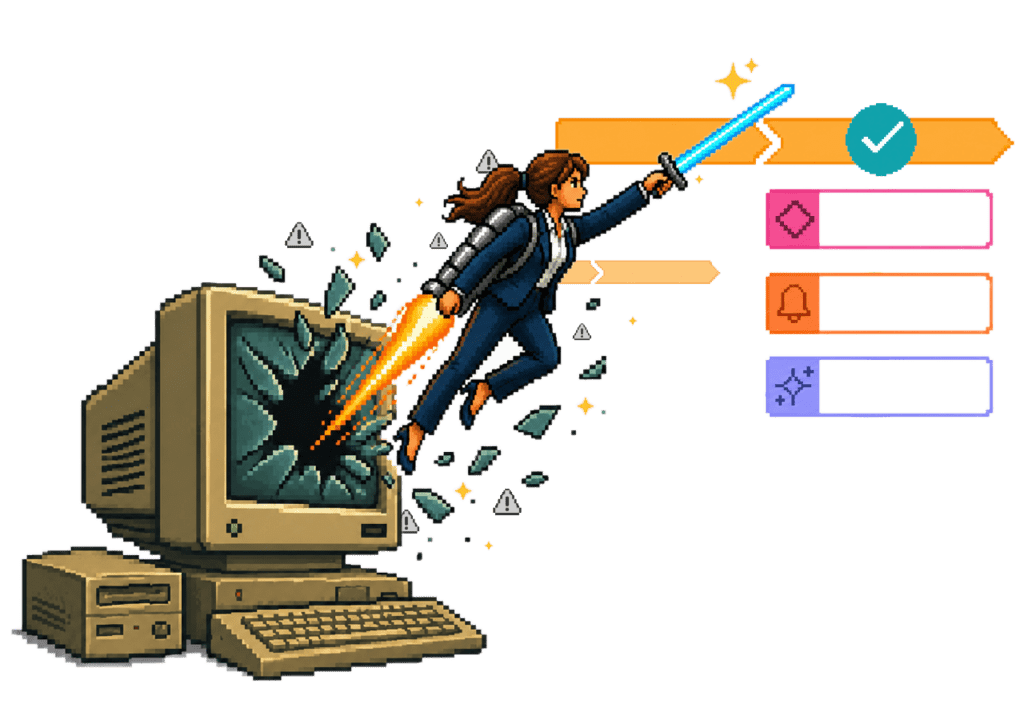
Mainframe modernization is the strategic process of upgrading, transforming, or integrating legacy mainframe systems with modern technologies to meet today's business demands. As organizations navigate digital transformation, modernizing these critical systems becomes essential for maintaining competitive advantage while preserving decades of valuable business logic and data.

Why is mainframe modernization important?

Legacy mainframe systems, while robust and reliable, present significant challenges in today's fast-paced digital landscape. Organizations are discovering that mainframe modernization isn't just a technical upgrade – it's a strategic move that unlocks new possibilities for growth and innovation.

Benefits of mainframe modernization

  • Operational excellence: Streamlined processes cut down on manual work, boost reliability, and drive productivity while lowering costs.
  • Enhanced agility: Modern architecture speeds up feature launches and services, helping digital initiatives reach the market faster.
  • Improved user experience: Modern, mobile-friendly interfaces increase user satisfaction and engagement.
  • Future-proofing: Modern platforms make it easy to integrate emerging tech like AI and machine learning.

Mainframe Modernization Benefits

How does mainframe modernization work?

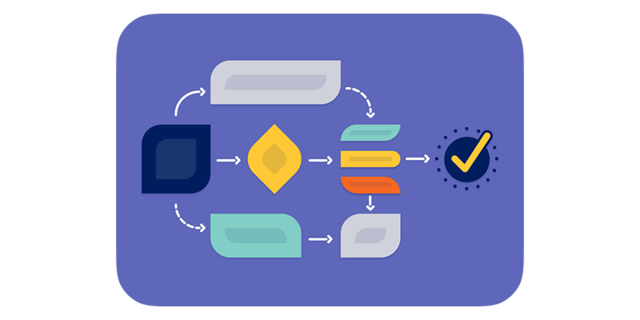
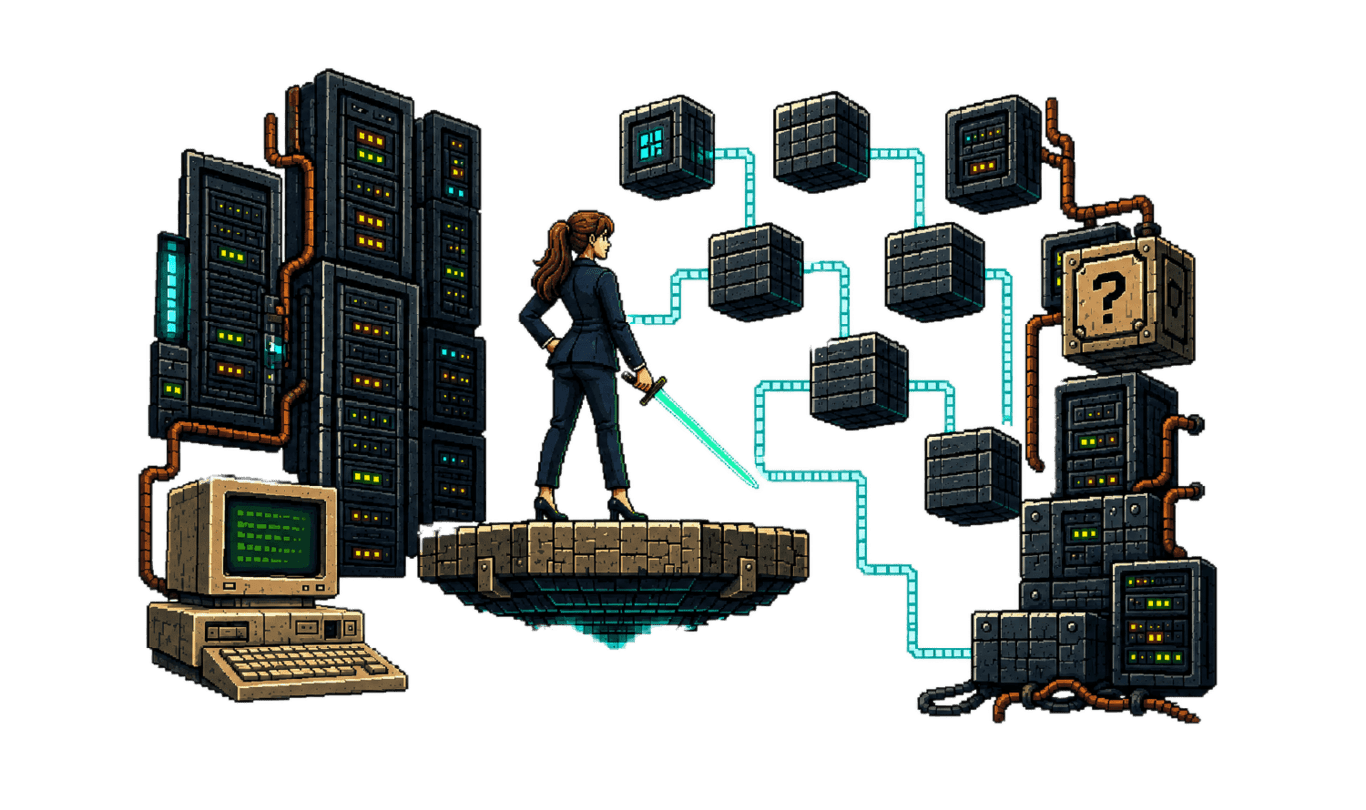
Mainframe modernization transforms legacy systems by migrating workloads, optimizing applications, and connecting to cloud, AI, and modern APIs. It boosts performance, reduces costs, safeguards critical data, and enables greater agility, turning mainframes into flexible engines for ongoing digital innovation.
How it Works

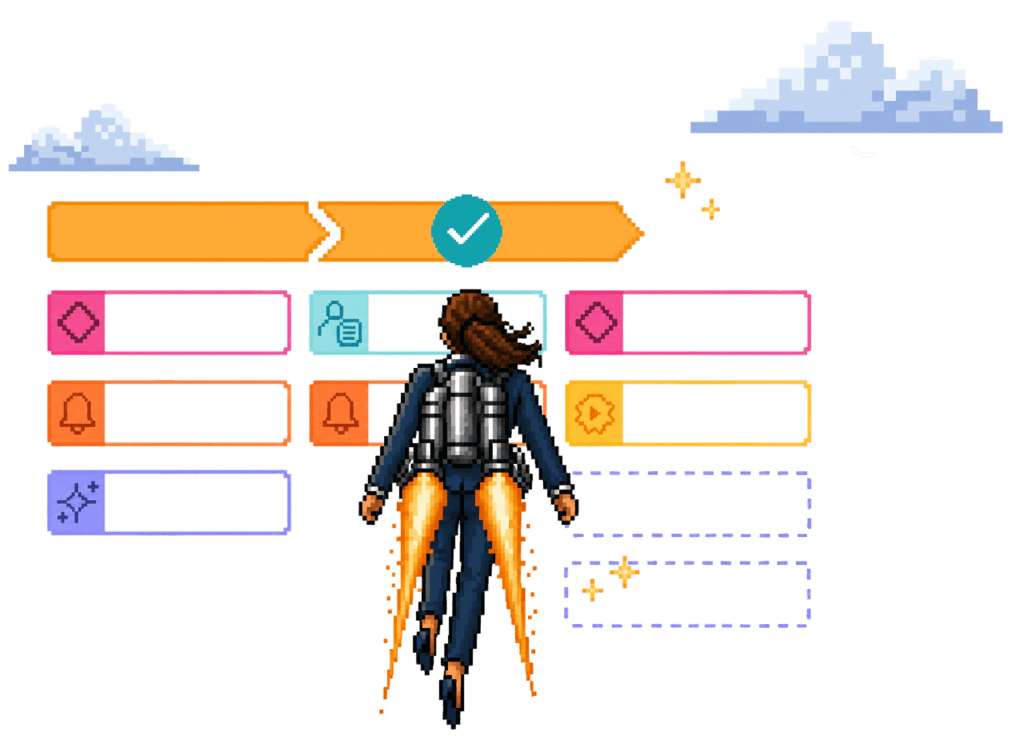
Retire tech debt. Deploy modern workflows today.

Learn more

Key approaches to mainframe modernization

Seven proven strategies define the modernization playbook – from rehost to retire – each with its own trade-offs. A new approach is changing that equation, using AI to enhance or supersede every path on the list.

Rehost

Migrates mainframe applications and data to a cloud environment with minimal changes to code or architecture.

Replatform

Moves mainframe applications to a cloud-based platform with minor optimizations to use the new environment.

Refactor/rearchitect

Rewrites or restructures mainframe application code to be cloud-native – a more profound transformation than rehosting or replatforming.

Rebuild/rewrite

Discards existing legacy code and builds entirely new, modernized applications from scratch.

Replace

Decommissions legacy applications and adopts off-the-shelf software solutions to fulfill the same business functions.

Retain

Keeps key mainframe applications in place, usually for stable, high-performing, or complex systems

Retire

Decommissions mainframe applications that are no longer needed or have become redundant.

Reimagine

The AI-led approach

An AI-led strategy that enhances or supersedes traditional approaches – automating migration, modernizing architecture, and accelerating outcomes through intelligence.

Common use cases for mainframe modernization

Financial Services

Banks modernize payment systems to handle real-time transactions, enabling faster transfers, improved reliability, and seamless digital customer experiences.

Insurance

Insurers modernize claims processing by automating workflows, speeding up approvals, reducing errors, and improving customer satisfaction.

Retail

Retailers modernize inventory systems by integrating with cloud platforms, ensuring real-time stock visibility and smoother supply chain operations.

Challenges

Challenges with mainframe modernization

Understanding potential obstacles helps organizations prepare comprehensive modernization strategies. The most frequently encountered challenges include:

  • Legacy system complexity: Years of customizations and integrations create dependencies that require careful analysis before transformation.
  • Migration risk management: Smooth transitions depend on detailed planning and minimal disruption.
  • Data integrity concerns: Critical business data must be protected with smart migration strategies.

By addressing these challenges head-on, organizations can set the stage for long-term success in the digital era.

How Pega accelerates mainframe modernization

Modernizing mainframe systems can be complex and time-consuming, but Pega helps simplify and speed up the process. Its platform enables organizations to update legacy systems more efficiently by combining proven approaches with advanced integration capabilities.

Upload BPMN files, legacy code, or existing documentation, and Blueprint automatically generates modern, AI-powered workflows – eliminating prolonged analysis and incomplete migrations.

AI-powered low-code platform

Pega's visual, AI-infused development environment lets teams rapidly build modern interfaces and processes that integrate seamlessly with existing systems.

Seamless system integration

Connect mainframe systems to modern apps with enterprise-grade integration, ensuring continuous data flow and zero disruption across your technology ecosystem.

Agentic process automation

Pega's autonomous workflow orchestration replaces manual, system-dependent processes with intelligent agents that act, decide, and adapt in real time.

Getting started with your mainframe modernization journey

Starting a mainframe modernization project requires careful planning. Key steps include:

  • Assessment & planning: Map your current systems, dependencies, and business needs.
  • Proof of concept: Test approaches on small projects to validate strategies.
  • Stakeholder alignment: Get buy-in from teams and leadership for smoother execution.
  • Partner selection: Work with experienced specialists to speed delivery and reduce risk.

Getting Started
Future

The future of mainframe modernization

The future isn't a choice between mainframe and cloud – it's both. Strategic hybrid cloud keeps mainframes running mission-critical workloads while AI delivers cloud-scale elasticity. Agentic AI now automates modernization itself, turning legacy systems into intelligent engines for the digital enterprise.
Frequently asked questions on mainframe modernization

Outdated systems are costly to maintain, harder to secure, and limit innovation. Over time, they create performance bottlenecks, integration challenges, and greater vulnerability to cyber threats.

Data migration uses automated tools and phased strategies to move information safely. Testing and validation ensure accuracy, minimize downtime, and protect critical business data during the transition.

Mainframe modernization focuses specifically on migrating workloads off legacy mainframe hardware. Legacy transformation is broader – it encompasses any aging system, process, or codebase.

AI accelerates every phase of modernization. Tools like Pega Blueprint™ analyze legacy code and documentation to auto-generate modern workflows, eliminating manual discovery. Agentic AI then powers the resulting applications, enabling autonomous decisions and real-time process orchestration at enterprise scale.

Security and compliance are often built with encryption, role-based access, and continuous monitoring. Working with experienced partners helps meet regulatory standards while safeguarding sensitive data.

Ready to learn more?

BOAT

Tech knowledge

Learn about legacy modernization, the first step toward complete legacy transformation.
AI Workflow automation

Tech knowledge

Discover process orchestration, a set of tools that helps organizations automate and manage workflows across systems.
Workflow Optimization

Tech knowledge

Discover how workflow optimization can transform business operations, reduce costs, and improve customer satisfaction.
CLM Carousel

Tech knowledge

See how customer lifecycle management lets you map the entire customer journey across all relationship stages.
clv explainer

Tech knowledge

Learn about customer lifetime value (CLV), an important metric used to determine how valuable a customer is to your enterprise.

Build with confidence using Pega Blueprint™

Try now
Ready to build a Blueprint?
Choose the reinvention engine for your needs.
For workflows & app design

Reimagine your processes and turn any workflow into a build-ready application with confidence.

Pega Blueprint™
For marketing & CX strategy design

Visualize customer journeys and engagement strategies across all touchpoints and activate them.

Pega Customer Engagement Blueprint™
Share this page Share via X Share via LinkedIn Copying...