Predictable AI
Harness the creative power of AI reasoning with the predictability of structured workflows
What is predictable AI?
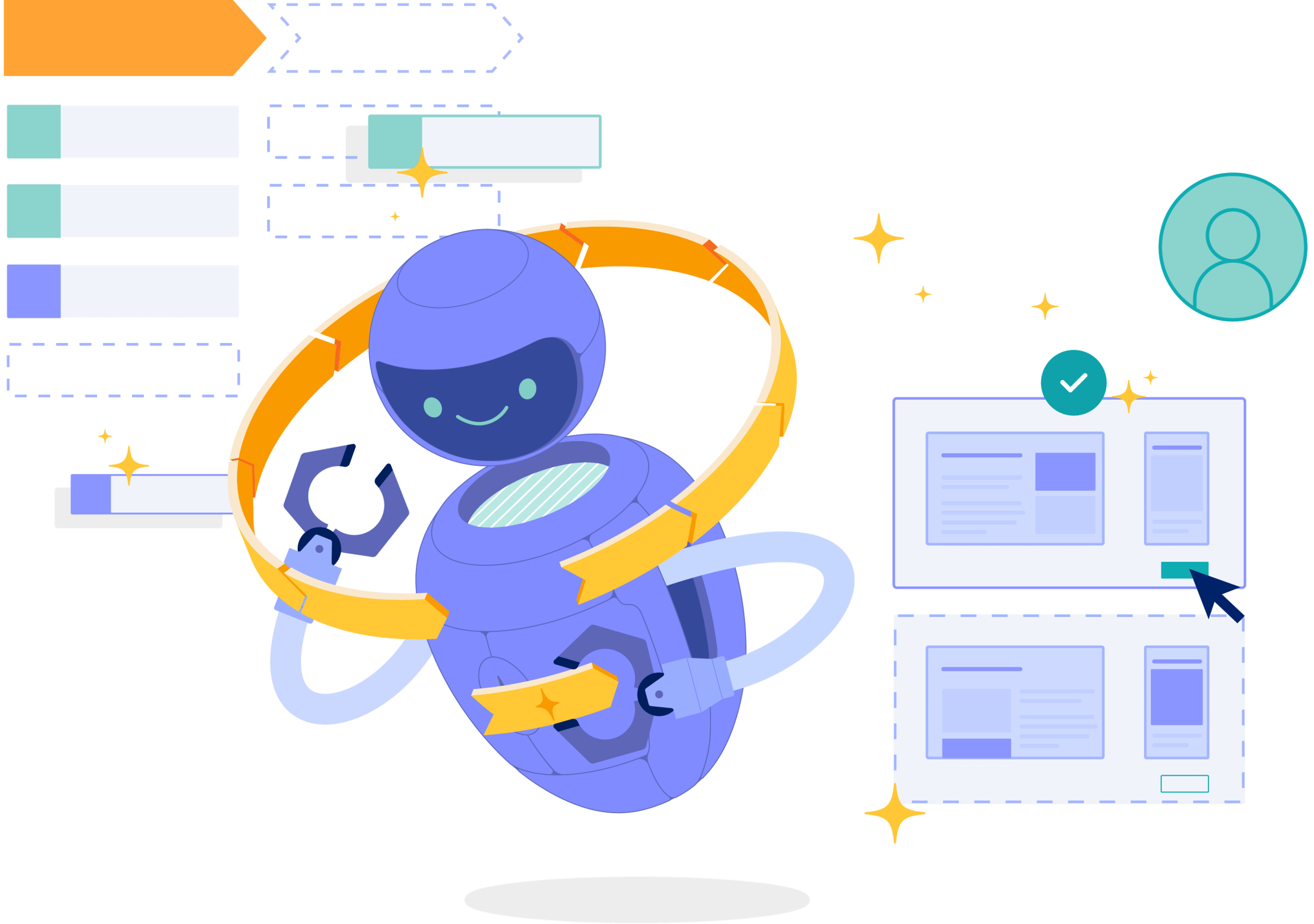
Predictable AI represents a fundamentally different approach to enterprise AI. Rather than deploying unpredictable, prompt-based reasoning at runtime when mission-critical decisions are being made, Pega harnesses the creative power of AI reasoning to accelerate transformation at design time.
This strategic separation allows organizations to benefit from AI's innovative capabilities when designing workflows and customer engagement strategies, while ensuring that the actual execution follows predictable, governed processes that deliver consistent outcomes.
Why is predictable AI important?
Organizations that use predictable AI effectively by combining AI's creative power with the predictability of structured workflows and processes gain a decisive competitive advantage. While competitors struggle with inconsistent AI outcomes, regulatory challenges, and frustrated users, businesses using Pega's Predictable AI approach achieve reliable AI transformation at scale.
Benefits of predictable AI
- Accelerated AI adoption: Deploy AI solutions with confidence across critical business processes
- Risk mitigation: Minimize unpredictability while maximizing AI's transformative potential
- Integration ready: Seamless integration with existing business workflows
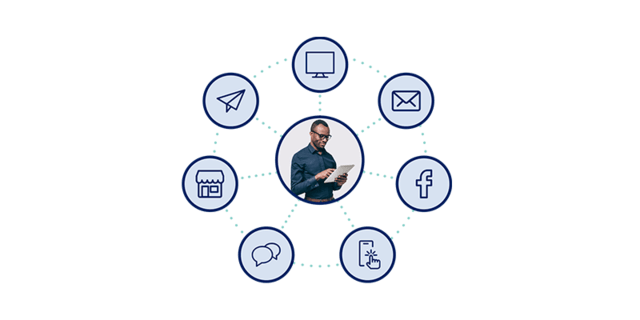
- Reliable experiences: Consistent AI-powered interactions across all touchpoints

Harness the power of AI agents with the predictability of workflows
The need for predictable AI
So many AI solutions in today's market depend solely on prompt-based configuration, giving agents free rein to reason and plan at any step of the process without proper governance or controls. This creativity can be valuable during brainstorming sessions, but it becomes problematic when deployed in mission-critical business environments.
Traditional agentic AI approaches often result in:
These limitations have made many enterprises hesitant to deploy AI agents beyond basic chatbot use cases, despite AI's tremendous potential to transform business operations.
What’s the difference between predictive AI and predictable AI?
Core components of predictable AI
How Pega delivers predictable AI
Pega's Predictable AI Agents combine the power of reasoning with the predictability of workflows through several key innovations:
Design-time AI reasoning
Pega leverages AI's creative capabilities during the application design phase, using AI to analyze legacy systems, design optimal workflows, and build agent-powered applications. This approach captures AI's innovative potential while maintaining runtime predictability.
Structured workflow integration
Rather than allowing AI to operate independently from business processes, Pega's approach embeds AI capabilities within structured business processes and workflows. This ensures that AI-powered decisions align with business rules and organizational objectives.
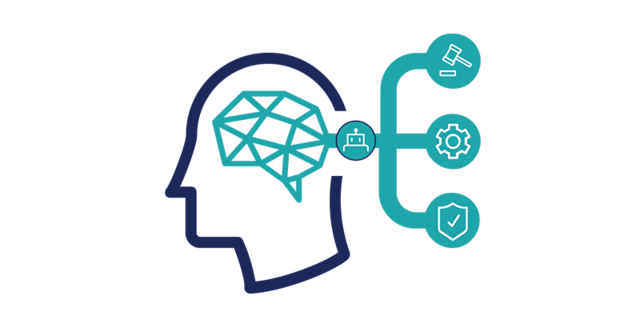
Governance & transparency
Every Pega Predictable AI Agent operates with built-in governance controls, providing complete visibility into decision-making processes and ensuring auditability for compliance requirements.
Multi-agent orchestration
The Pega Platform™ supports various types of predictable AI agents, including Design Agents, Conversation Agents, Automation Agents, Knowledge Agents, and Coach Agents – all working within governed frameworks.