Marketing orchestration
Deliver the right message, to the right person, at the right time – every time

What is marketing orchestration?
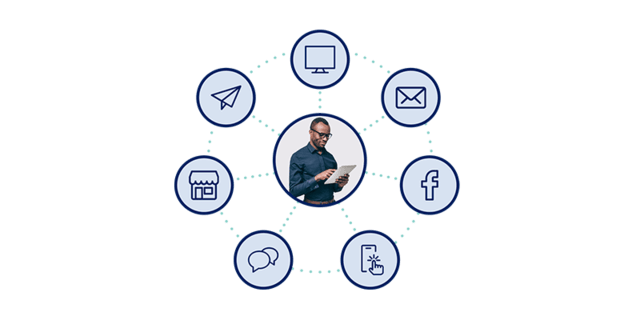
Marketing orchestration is the strategic process of managing and coordinating marketing activities across multiple channels and touchpoints to deliver seamless, personalized customer experiences. Unlike traditional marketing approaches that operate in silos, marketing orchestration creates a unified ecosystem where every customer interaction is informed by real-time intelligence and contributes to a cohesive customer journey.
Why is marketing orchestration important?
For modern marketers seeking to optimize their performance and elevate the customer experience, marketing orchestration is not merely an optional enhancement; it’s a strategic imperative. The benefits extend far beyond simple efficiency, touching every aspect of a marketing strategy and its impact on the business.
Benefits of marketing orchestration
- Enhanced customer lifetime value: Transform every interaction into an opportunity for deeper engagement, increased loyalty, and revenue growth.
- Personalized engagement at scale: Deliver individualized experiences to millions of customers simultaneously, ensuring each interaction feels personal and relevant.
- Seamless channel integration: Connect disparate marketing systems and channels, eliminating silos and ensuring customers receive consistent messaging regardless of how they engage.

How does omni-channel customer experience work?
Marketing orchestration works by unifying data, channels, and decisioning to coordinate every customer interaction. It uses real-time insights to determine the most relevant message, offer, or action, then directs marketing automation tools to deliver it at the optimal moment. The result is a seamless, personalized experience that adapts dynamically to each customer’s journey.

Optimize AI-powered personalization with Pega Customer Engagement Blueprint
What’s the difference between marketing automation and marketing orchestration?
Common use cases for marketing orchestration

Challenges (and solutions) to marketing orchestration
- Data silos: Disconnected systems limit visibility into customer behavior.
Solution: Integrate data sources into a centralized platform for a unified customer view. - Inconsistent customer experiences: Messaging varies across channels.
Solution: Use centralized decisioning to deliver coordinated, channel-consistent interactions. - Scalability limits: Personalization struggles at high volume.
Solution: Leverage AI-powered decisioning to personalize at scale without manual effort.
The relationship between AI and marketing orchestration
AI is transforming marketing orchestration by using machine learning and real-time analytics to analyze large amounts of customer data, predict preferences, and personalize content across channels. AI-powered tools automate campaign timing, channel choices, and audience segmentation, reducing manual work and bias. This results in faster decisions, more effective personalization, and improved campaign results, enabling marketers to deliver unified, data-driven experiences that surpass traditional methods.
How Pega delivers marketing orchestration
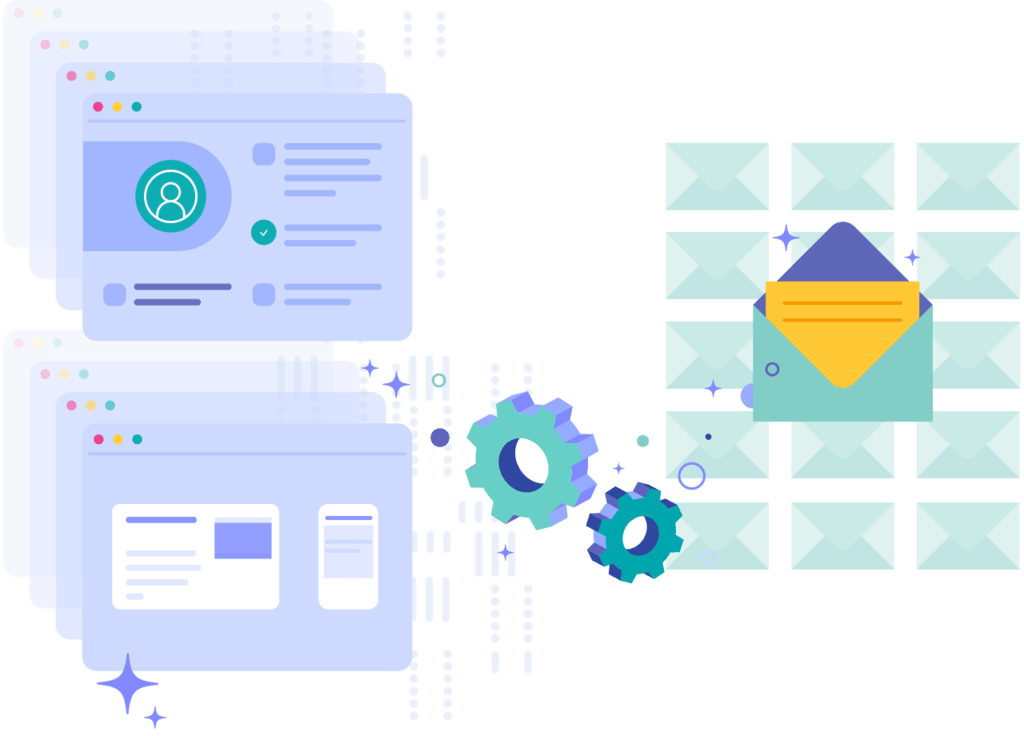
Pega's marketing orchestration solution stands apart through its unified platform approach and always-on customer intelligence. By continuously analyzing real-time data and customer context, it empowers brands to anticipate needs and trigger the next best action across every touchpoint.
Customer Decision Hub
Pega's centralized brain analyzes every customer interaction and recommends the next best action based on individual customer needs and business objectives. This hub serves as the command center for all marketing orchestration activities.
Always-on approach
Rather than campaign-based marketing, Pega enables continuous, contextual engagement that adapts to customer behavior in real time.
Unified platform
Built on Pega's scalable platform, the solution eliminates the complexity typically associated with marketing technology stacks, providing a single environment for strategy design, execution, and optimization.
AI-powered decisioning
Sophisticated artificial intelligence capabilities ensure that every marketing decision is optimized for both customer satisfaction and business outcomes.