Agentic marketing
From strategy to execution, powered by coordinated AI agents
What is agentic marketing?
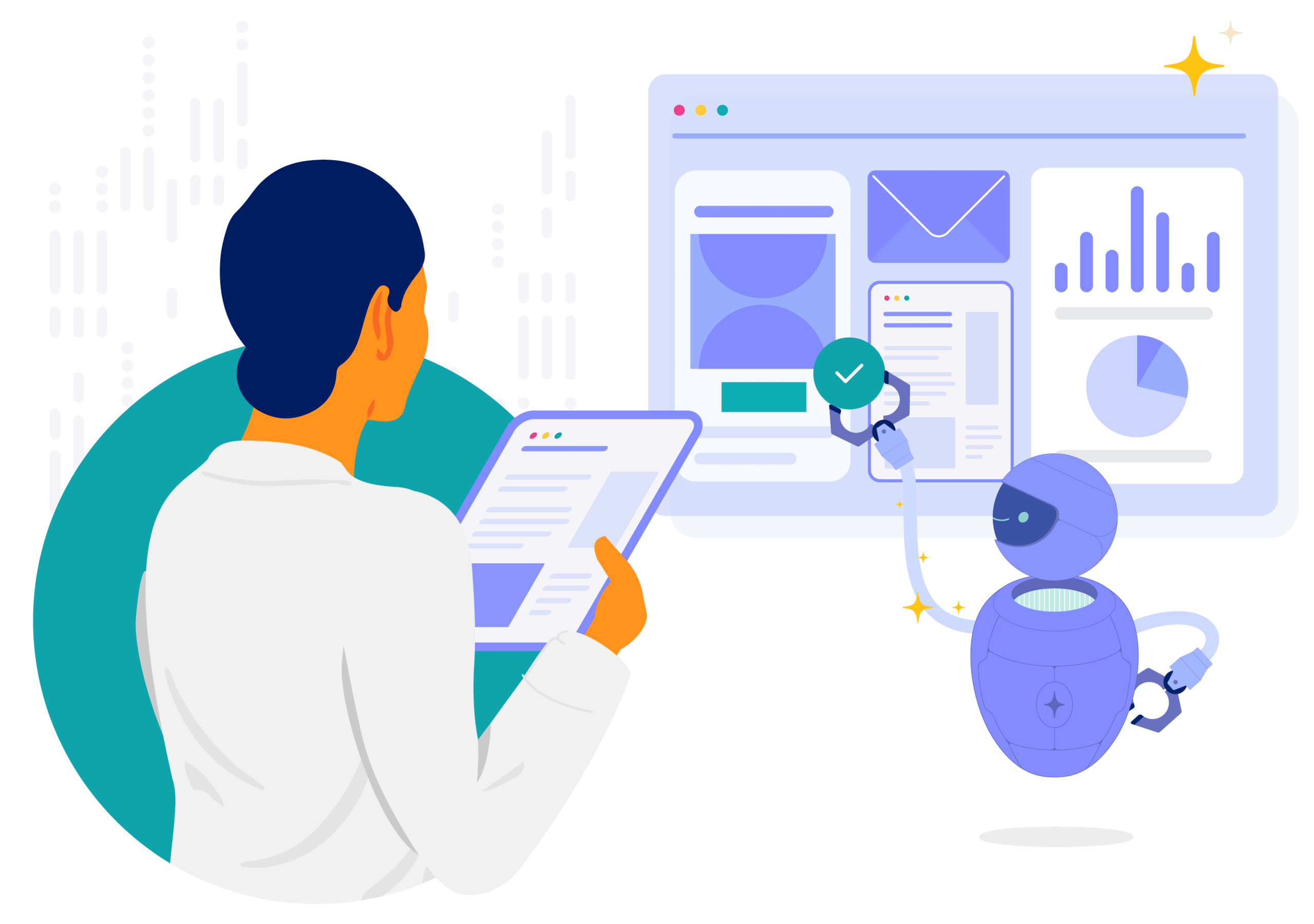
Agentic marketing is the use of autonomous AI agents that can independently plan, execute, and optimize marketing campaigns. Unlike rule-based automation, agentic systems reason through complex goals, adapt strategies in real time, and act across channels without continuous human oversight. They don’t replace human marketers, they act as an extension of the team – enhancing human creativity and judgment with speed, scale, and continuous optimization.
Why is agentic marketing important?
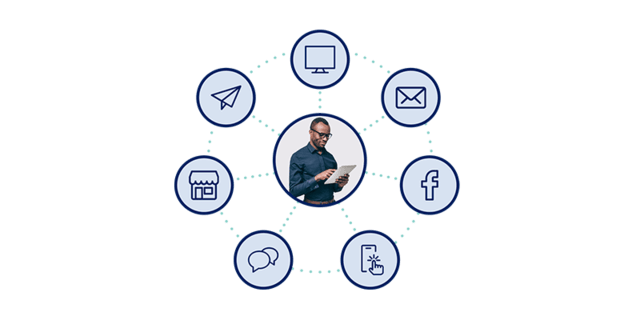
Agentic marketing changes how teams scale, optimize, and connect with customers. Instead of relying on manual effort and one-size-fits-all campaigns, AI agents work continuously behind the scenes to expand capacity, improve performance, and deliver more relevant experiences at every touchpoint.
Benefits of agentic marketing
- Scale without adding headcount: Agentic systems can handle thousands of personalized customer interactions at the same time – enabling small marketing teams to accomplish the work of much larger teams.
- Always-on improvement: Instead of running campaigns in short bursts, agentic AI works all the time. It tests ideas, tracks results, and keeps improving campaigns 24/7 across every channel.
- Personalization at scale: Using real-time data and behavior signals, agentic systems tailor messages, offers, and timing to each person, making every interaction feel relevant instead of generic.

How does agentic marketing work?
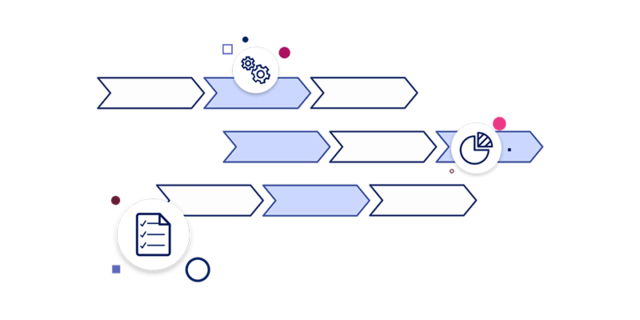
Agentic marketing works by coordinating specialized AI agents across the full marketing lifecycle: from goal planning and audience research through creative generation, compliance review, channel deployment, and continuous performance optimization – without requiring step-by-step human direction.

See how AI agents transform your marketing stack in Pega’s Agentic Marketing Playbook
What’s the difference between traditional marketing and agentic marketing?
Key features of agentic marketing
Use cases for agentic marketing
Retail
Agentic marketing personalizes offers, optimizes campaigns across channels, and adjusts pricing and promotions in real time based on demand, inventory, and customer behavior.
Financial services
AI agents deliver tailored offers, trigger outreach based on life events or spending patterns, and ensure every campaign meets strict compliance and regulatory standards.
Healthcare
Agentic marketing powers personalized patient outreach, appointment reminders, and care-related campaigns, while maintaining privacy, consent, and regulatory compliance.
The role of AI governance in agentic marketing
As agent-based systems become more independent, governance becomes a key competitive advantage. Companies using agentic marketing at scale need to focus on a few important areas:
- Transparency and tracking: Every action an agent takes should be recorded and easy to understand. Marketing leaders need to know why a decision was made, not just what happened.
- Data privacy and security: Strong systems protect customer data by masking sensitive information and keeping it out of external AI models.
- Brand and compliance rules: Clear guidelines should control what agents create and share, making sure all content follows brand standards, laws, and ethical practices.
- Human oversight: There should be clear points where humans step in to review and approve decisions, helping maintain accountability as systems become more autonomous.

The future of agentic marketing
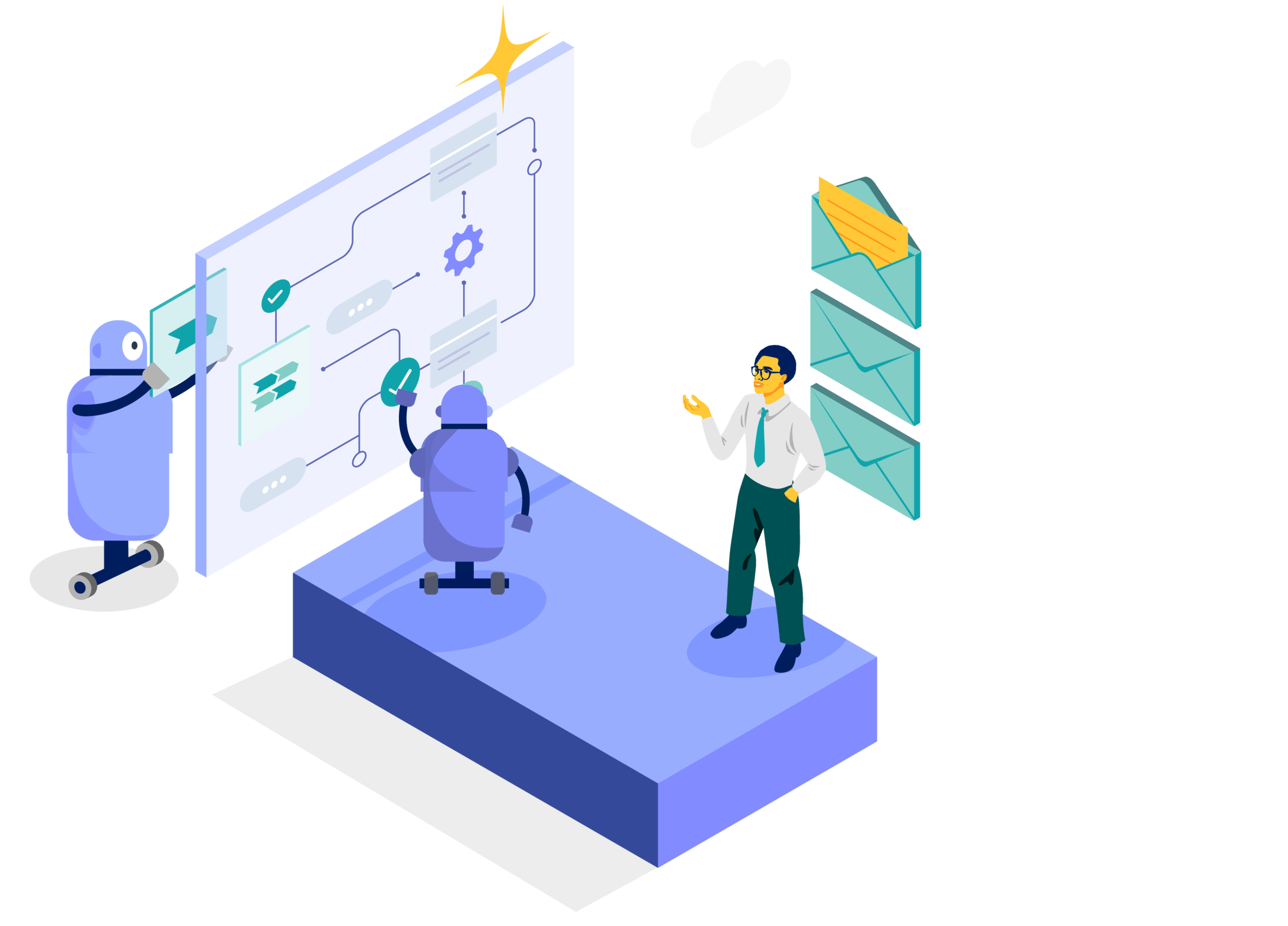
Agentic marketing is moving from automation to true autonomy. AI agents will plan, create, test, and optimize campaigns in real time, continuously learning from outcomes and shifting strategies without manual input. The result: faster decisions, more relevant experiences, and marketing that adapts as quickly as your customers do.
Pega’s approach to agentic marketing
Pega's approach to agentic marketing is built into the core of Pega Customer Decision Hub™, the AI-powered decisioning brain behind real-time, one-to-one customer engagement. Rather than bolting AI agents onto existing workflows, Pega integrates autonomous marketing capabilities directly into Customer Decision Hub's decisioning and orchestration architecture, making agentic marketing a native function of the platform rather than an add-on.