Agentic workflows
Streamline operations and unlock the power of AI agents
What are agentic workflows?
Agentic workflows are dynamic, goal-driven processes where autonomous AI agents make decisions, plan next steps, and execute tasks – all with minimal human guidance. By combining autonomy with adaptability, agentic workflows streamline operations while enhancing efficiency, scalability, and resilience.
Why are agentic workflows important?
In today’s fast-paced environment, static processes just can’t keep up. Agentic workflows bring adaptability and intelligence, enabling enterprises to deliver faster, smarter, and more consistent outcomes.
Benefits of agentic workflows
- Enhanced customer experience: Agentic workflows interpret customer intent to guide self-service resolutions, while assisting service reps, boosting satisfaction, and lowering costs.
- Increased operational efficiency: Agentic workflows automate complex, end-to-end processes with real-time decisions, enabling straight-through processing that cuts time, reduces manual effort, and transforms operations.
- Hyper-personalized engagement: By analyzing real-time data, AI agents identify customer needs and deliver personalized experiences that boost engagement and loyalty.

How do agentic workflows work?
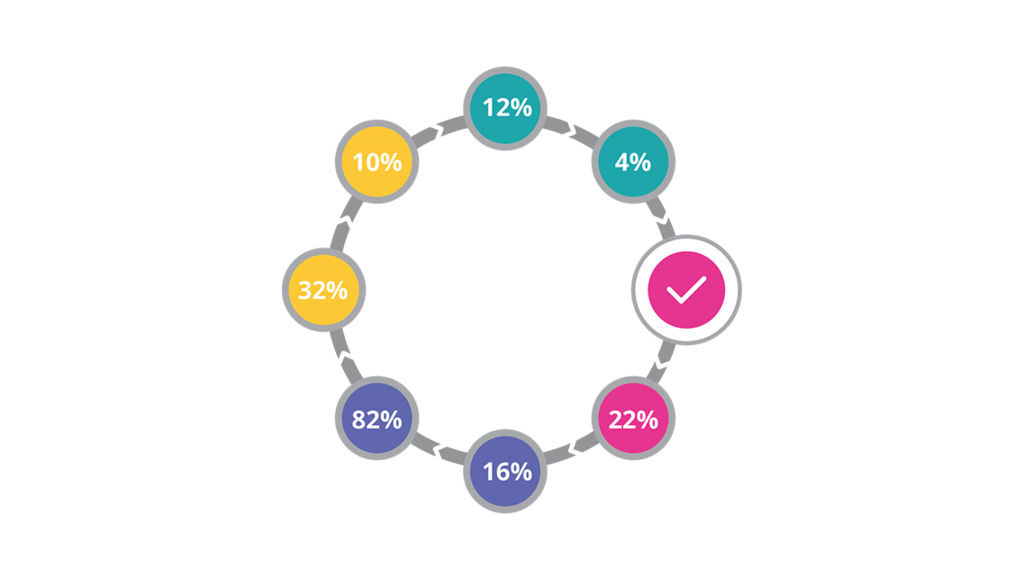
Agentic workflows operate in a cycle: AI agents perceive their environment, analyze data to make decisions, and then act to achieve a defined goal. They can use various tools, access knowledge, and collaborate with other agents or humans to complete their tasks – learning and adapting over time.

Build an AI-powered future with agentic workflows
What’s the difference between traditional automation and agentic workflows?
Components of agentic workflows
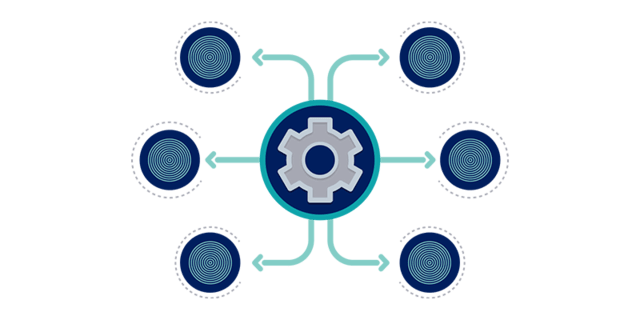
Understanding agentic workflows begins with dissecting their fundamental building blocks. These components work in synergy to enable the dynamic, intelligent behavior that sets agentic systems apart.
Common use cases for agentic workflows
Customer service
Agentic workflows enhance customer support by understanding intent and routing inquiries, guiding self-service, or assisting reps with smart recommendations for faster, accurate resolution.
Financial services
In banking, agentic workflows enhance fraud detection by analyzing transactions, spotting suspicious activity, and triggering automated investigations that resolve cases while ensuring regulatory compliance.
Healthcare
Healthcare organizations use agentic workflows to analyze patient data for proactive care, automate scheduling, and guide patients and providers – all while ensuring privacy and compliance.

Challenges with agentic workflows
While agentic workflows are powerful for handling dynamic and complex tasks, using them for work that must be repeatable and predictable introduces several significant challenges that organizations must navigate carefully.
- Lack of predictability: Advanced AI models, especially those powering AI agents, are non-deterministic. This means that given the exact same input, an agent might produce different outputs or take a different path to a solution, which is unacceptable for processes requiring consistency.
- Ethical and compliance risks: AI agents must act ethically and meet regulatory requirements. Understanding why an agent made a specific decision can be extremely difficult.
- Data quality and integration: Inaccurate or fragmented data can lead to poor decisions and workflow failures.
Despite these challenges, organizations that address them proactively can unlock significant efficiency, accuracy, and scalability benefits, positioning themselves to fully capitalize on the transformative potential of agentic workflows.
Steps to successful implementation of agentic workflows
What does the future of agentic workflows look like?
Agentic workflows are another step toward the autonomous enterprise – where AI drives smarter decisions, predictive insights, and seamless integration across systems. Organizations that embrace these workflows today will gain a competitive edge, unlocking the full transformative potential of AI as it continues to evolve.

Pega’s approach to agentic workflows
Pega pioneered the concept of the autonomous enterprise and continues to lead in agentic workflow innovation by combining the power of AI agents and the predictability of workflows to unleash AI-powered transformation with confidence. With Pega, design-time agents apply AI reasoning alongside human expertise to build agentic workflows. At runtime, AI agents interpret user requests, select the appropriate workflow, and execute it in a governed, predictable manner. Our comprehensive approach combines proven workflow management with cutting-edge AI capabilities to deliver real business value.