AI decisioning
Turn your data into decisions that drive growth
What is AI decisioning?
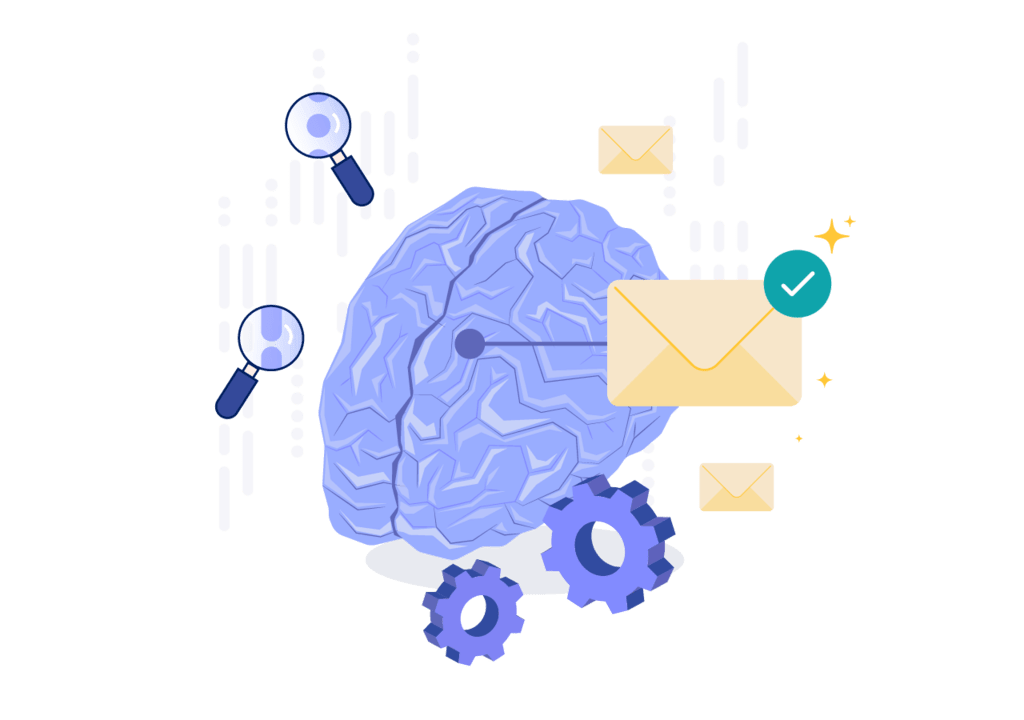
AI decisioning uses artificial intelligence and machine learning to automate and optimize decision-making. Unlike traditional rule-based systems, AI decisioning analyzes vast amounts of data in real time, predicts outcomes, and recommends the best actions, helping you deliver personalized experiences, improve operational efficiency, and respond to customer needs instantly.
Why is AI decisioning important?
AI decisioning changes how organizations operate by turning data into action at speed and scale. It does more than just automate; it improves efficiency, accuracy, and agility across your business.
Benefits of AI decisioning
Enterprise application development offers numerous benefits including:
- Enhanced speed & scalability: AI decisioning processes data instantly to make thousands of decisions in real time, freeing your team to focus on strategy and giving you a competitive edge.
- Improved accuracy & reduced bias: AI decisioning spots patterns humans miss and delivers objective, data-driven recommendations. This improves risk prediction, inventory optimization, and targeted marketing.
- Optimized customer experience: AI decisioning delivers personalization by analyzing user behavior and real-time data, allowing you to customize the entire customer journey with individualized interactions.
- Increased operational efficiency: AI decisioning automates decisions to boost efficiency, reducing manual work so your teams can focus on higher value tasks while AI handles routine inquiries.

How does AI decisioning work?
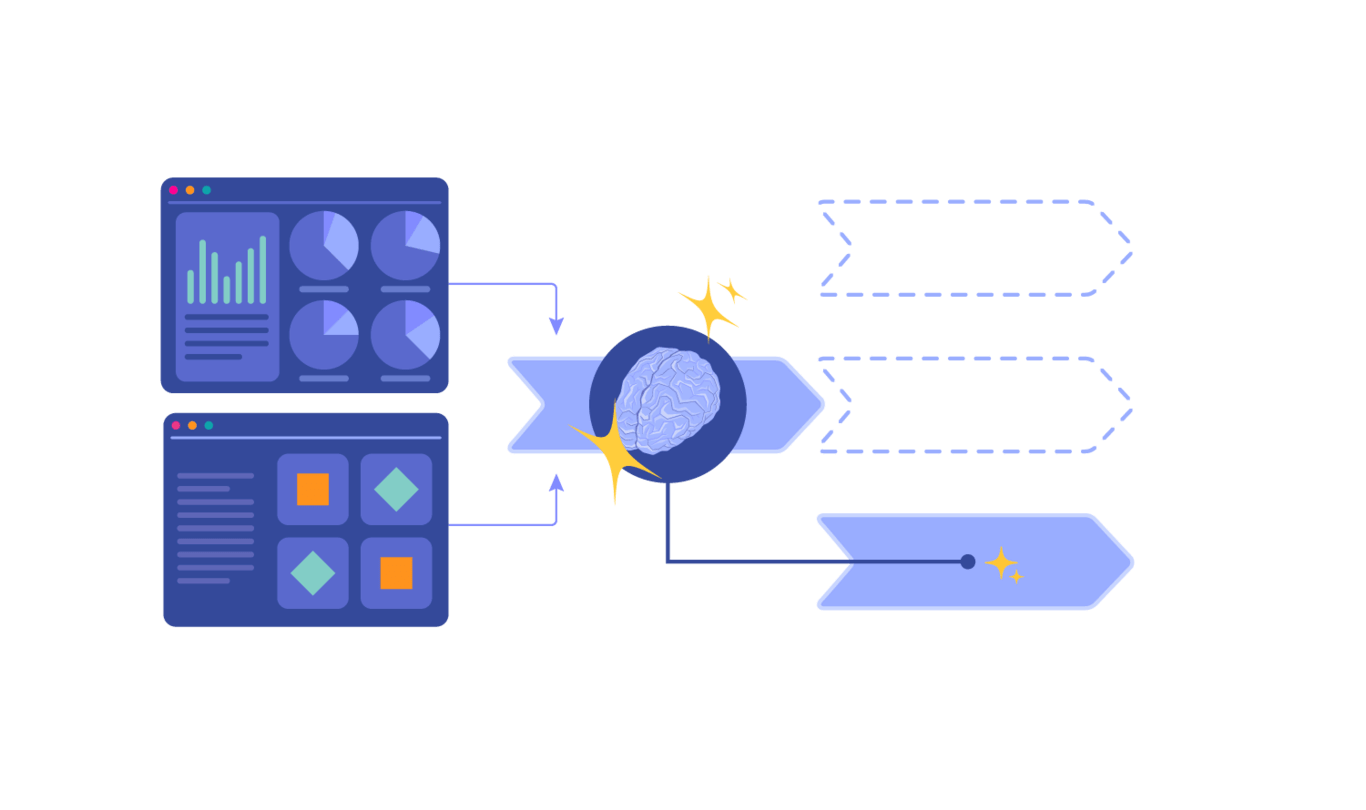
AI decisioning combines data, business rules, and machine learning models to evaluate options in real time and select the best action. It analyzes context, predicts outcomes, and learns from results, continuously improving decision quality at scale across systems and channels.
Power every experience with AI-driven decisioning
Common use cases for AI decisioning
Financial services
Spot fraud in milliseconds. AI decisioning analyzes transaction patterns instantly to catch suspicious activity before fraud occurs. Machine learning models evaluate hundreds of risk signals to block fraudulent transactions while approving legitimate ones, reducing false positives and protecting customer trust.
Insurance
AI decisioning evaluates claims instantly, determining approval, denial, or escalation based on policy terms, damage assessment, and fraud indicators. Straightforward claims settle automatically within minutes. Complex cases route to appropriate adjusters, accelerating payouts and reducing processing costs.
Retail
AI decisioning suggests products each shopper is most likely to purchase based on browsing behavior, past purchases, and similar customer preferences. Recommendations adapt as customers navigate your site, increasing conversion rates through hyper-relevant suggestions.
Challenges with AI decisioning
While the benefits of AI decisioning are compelling, successful implementation has its hurdles. You’ll need to navigate several critical challenges to fully realize its potential and ensure responsible deployment.
- Data quality is critical for AI decisioning. Poor data leads to flawed outputs, making robust data governance essential.
- Addressing ethical concerns like bias requires ongoing bias detection, model audits, and human oversight to prevent discriminatory outcomes.
- Implementing AI decisioning often means connecting new AI tools to older legacy systems, which can take time and effort. Teams must align data flows, ensure systems work together, and manage the rollout from start to finish.

Steps for successful AI decisioning implementation
What makes Pega's AI decisioning different?
Pega's AI decisioning platform stands apart through its unique combination of capabilities, helping you make smarter, faster, and more personalized decisions at scale.
Unified platform
Unlike point solutions, Pega integrates AI decisioning with case management, automation, and customer engagement in a single platform – eliminating data silos and enabling seamless workflows.
Real-time decisioning
Pega Customer Decision Hub™ acts as an always-on decision engine, analyzing customer behavior and recommending next best actions in real time across all channels.
Adaptive models
Self-learning AI models continuously optimize themselves based on outcomes, ensuring decisions improve automatically over time.
Ethical AI & governance
Built-in bias detection, transparency controls, and explainability features ensure your AI decisions are fair, compliant, and trustworthy.