Personalization engines
Tailor experiences to deliver relevant content and interactions
What is a personalization engine?
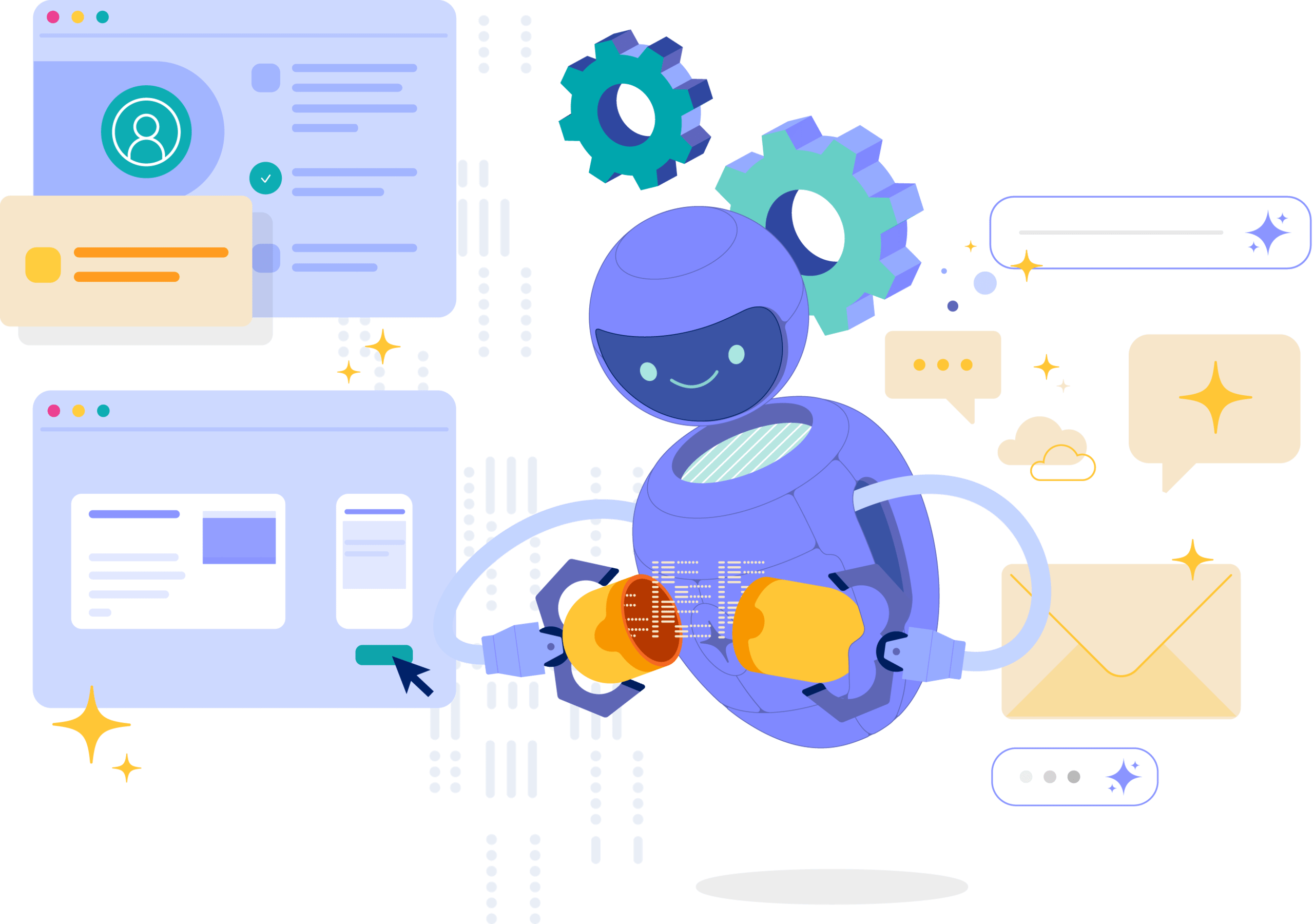
A personalization engine analyzes customer data to deliver tailored experiences across channels. They use AI and machine learning to understand individual preferences, behaviors, and needs, enabling businesses to provide relevant content, offers, and recommendations at the right time, every time.
Why are personalization engines important?
Customers expect relevant experiences tailored to their unique needs. Personalization engines help businesses do so by transforming everyday interactions into meaningful engagements. This drives higher conversion rates and increases customer loyalty.
Benefits of personalization engines
- Enhanced customer engagement through relevant, timely interactions that resonate with individual preferences and needs – leading to deeper connections and increased time spent with your business across all touchpoints
- Improved business outcomes, including higher conversion rates, reduced acquisition costs, and strengthened customer loyalty – all contributing to revenue growth and competitive advantage
- Operational efficiency through automated decision-making reduces manual efforts and ensures consistent messaging across channels while continuously learning and improving over time

How does a personalization engine work?
Personalization engines collect and analyze customer data from multiple sources, creating individual profiles that evolve in real time. Using AI and machine learning, they identify patterns and preferences to determine the best content, offers, or experiences for customers across all channels.
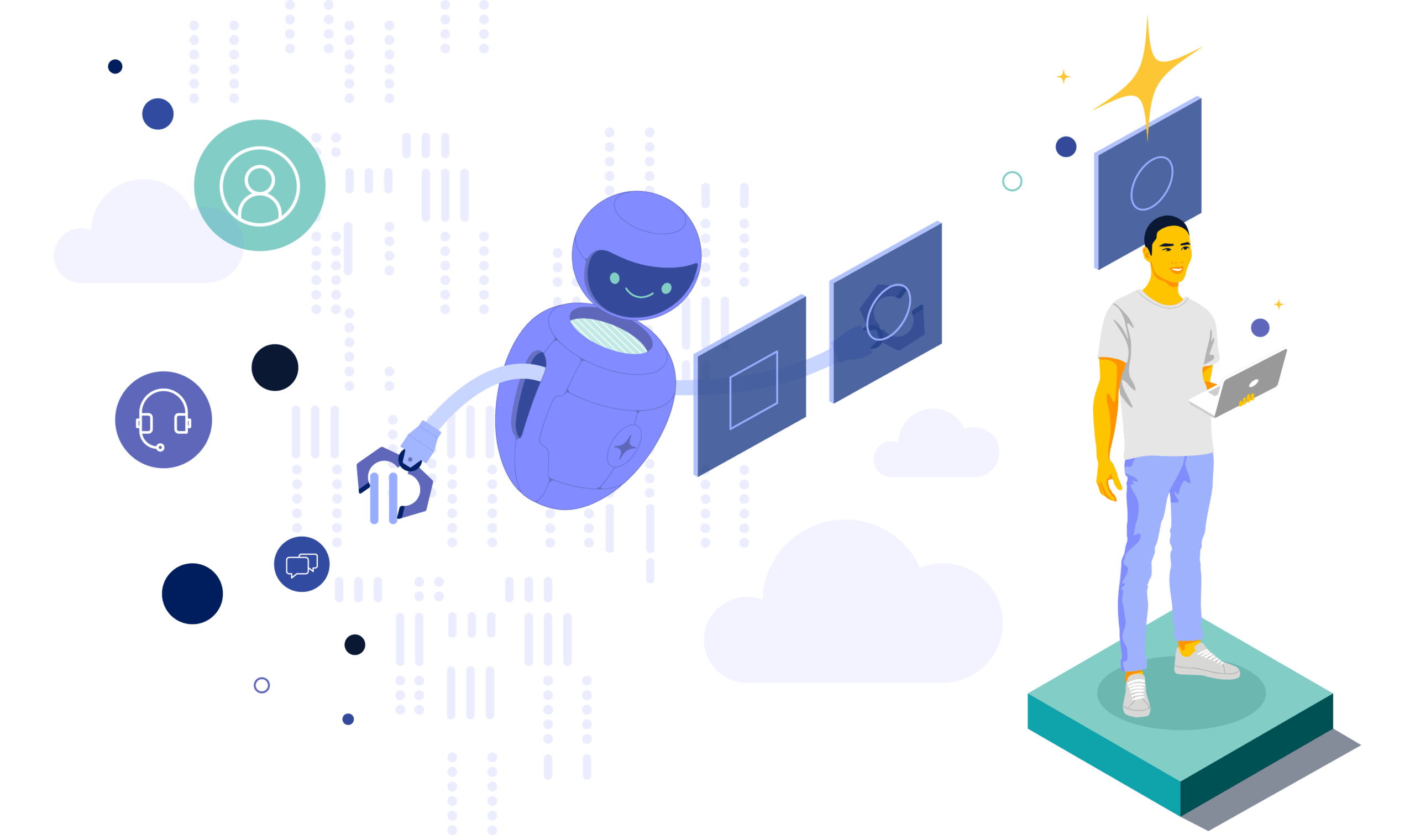
Personalize customer engagement with Pega Customer Decision Hub™
Key components of a personalization engine
What are the types of data used by personalization engines?
Behavioral data
Captures how customers interact with your digital properties, including browsing patterns, clicks, purchases, abandoned carts, and engagement metrics. This real-time information reveals immediate interests and intent, enabling timely personalized responses.
Demographic data
Encompasses customer attributes like age, location, income level, and household information, along with declared preferences and account details. This foundational data helps segment audiences and tailor experiences to specific customer groups.
Contextual data
Includes factors like time of day, type of device, and location to provide crucial context for personalization decisions, ensuring relevance not just to the person but to their immediate circumstances.
What are some use cases for personalization engines?
Retail & e-commerce
Delivers personalized product recommendations, promotions, and customized shopping experiences that increase conversion rates while reducing cart abandonment.
Financial services
Provides relevant financial product recommendations, personalized financial advice, and proactive service alerts based on customer life events and financial goals, building trust while increasing customer lifetime value.
Healthcare & insurance
Offers personalized wellness recommendations, tailored insurance options, and proactive care suggestions based on individual health profiles and coverage needs, improving health outcomes while optimizing resource utilization.
What to look for when considering a personalization engine
Many platforms promise personalization — few can deliver it without added complexity. Look for AI-driven collaboration tools like Pega Customer Engagement Blueprint that streamline strategy design and accelerate 1:1 customer engagement implementation. Prioritize solutions offering seamless Customer Decision Hub integration, intuitive dashboards, and collaborative workflows.