Adaptive analytics
Intelligence that evolves with your business
What is adaptive analytics?
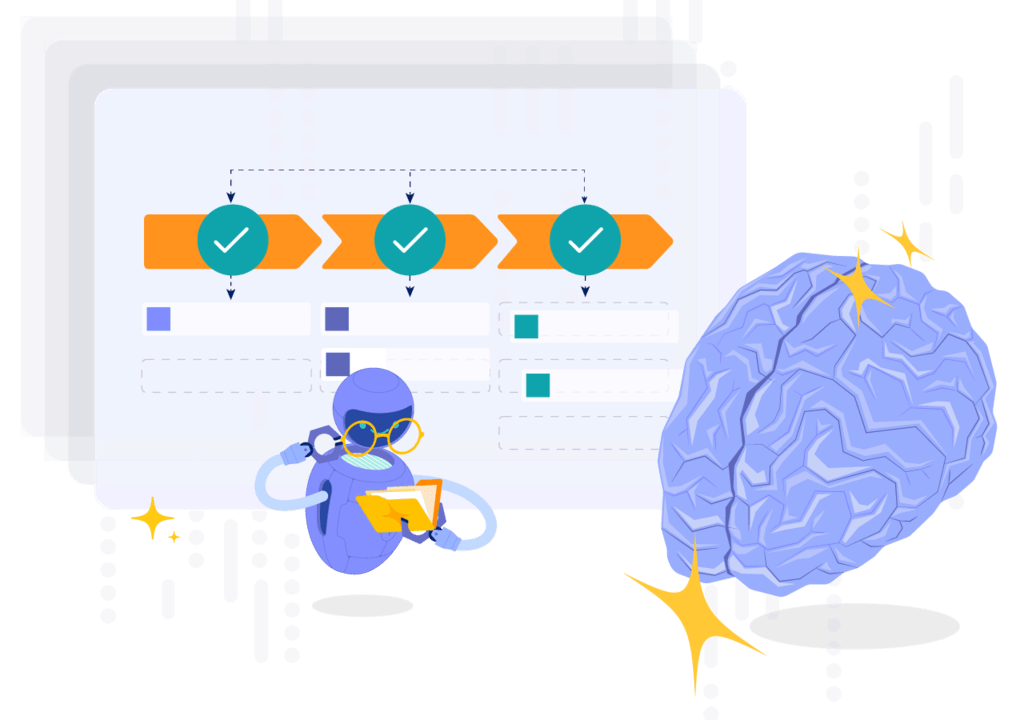
Adaptive analytics is an AI-powered data analysis method that self-updates its predictive models in real time based on new interactions and outcomes, so businesses can make smarter decisions as conditions change.
Why is adaptive analytics important?
The pace of change in customer behavior, market dynamics, and competitive landscapes has made static analytics a liability. A model trained on last year's data may already be blind to what's driving decisions today.
Adaptive analytics closes this gap by making sure your AI‑powered decisions stay relevant, accurate, and personalized over time, even as the world changes.
Benefits of adaptive analytics
- Real-time relevance: Adaptive models react to shifting customer behaviors and market conditions as they happen, rather than weeks later when a static model is manually retrained.
- Faster time to value: Because adaptive models don't require large historical datasets to get started, organizations can deploy them immediately and begin generating value from day one.
- Personalization at scale: By continuously learning individual-level patterns, adaptive analytics delivers highly personalized recommendations at scale.
- Improved accuracy over time: Every interaction helps the model learn. Over time, it gets better at predicting outcomes, creating a growing advantage.

How does adaptive analytics work?
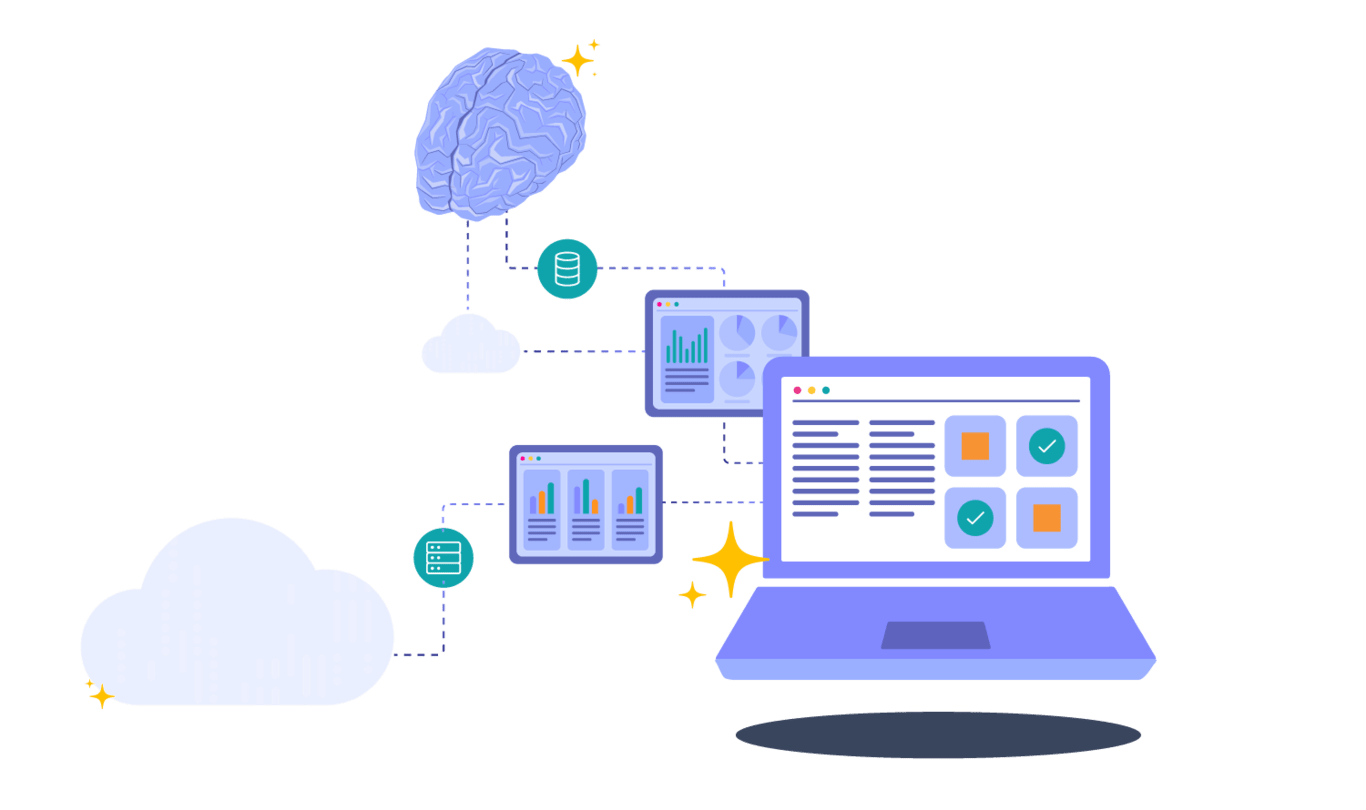
Adaptive analytics uses AI models that learn from every interaction. As outcomes are recorded, the models automatically update, adjust which data matters most, and improve predictions in real time, allowing decisions to stay accurate, personalized, and relevant as conditions change.
See how adaptive analytics fuels next best action
What’s the difference between predictive analytics and adaptive analytics?
Key features of adaptive analytics
Use cases for adaptive analytics
Customer service
Adaptive analytics learns from each customer interaction to suggest the best response in real time, such as when to escalate a case, offer self‑service, or route to a live agent.
Financial services
Models adapt to changing customer behavior to spot unusual activity or tailor offers like credit limits and product recommendations.
Retail
Adaptive analytics learns what each shopper prefers, then adjusts recommendations or promotions based on browsing, purchasing, and timing.

What are some common misconceptions about adaptive analytics?
- “It requires a massive data science team.” Most modern adaptive analytics platforms manage themselves. Data scientists guide the overall approach and check results, while the models learn and improve automatically.
- “You need years of historical data to get started.” With ready-to-use intelligence, adaptive models can start making useful predictions from the very first interaction.
- “It's only for large enterprises.” Adaptive analytics is often used at large scale, but it can also be rolled out in smaller, focused ways, making it a good fit for mid‑size organizations too.
The future of adaptive analytics
The future of adaptive analytics is continuous, automated decision‑making powered by AI. Models learn in real time, drive AI agents, and deliver always‑on personalization within everyday workflows. As platforms manage learning and performance automatically, teams can focus on goals and governance, turning adaptability into a lasting competitive advantage.